Granada
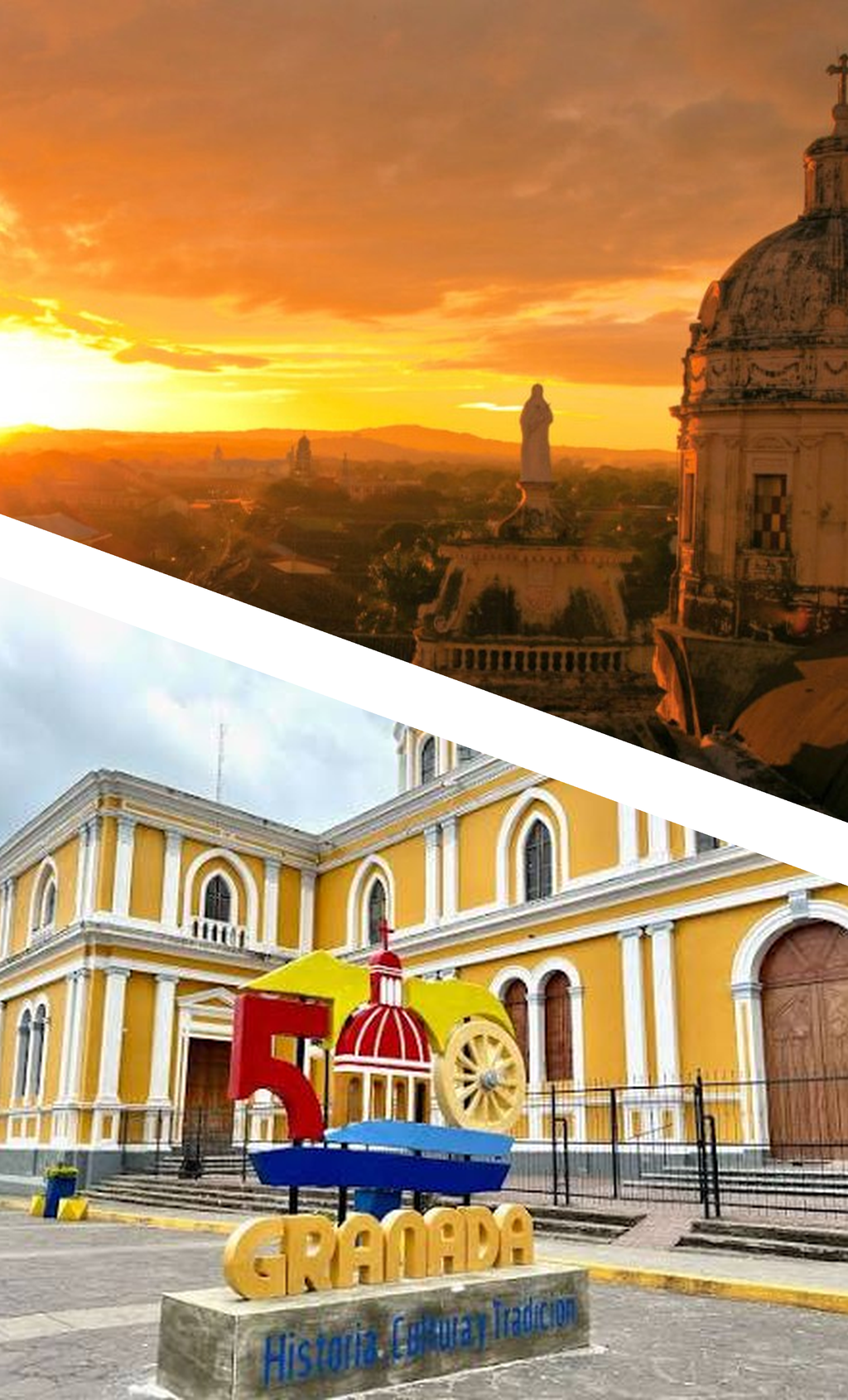
Half a millennia ago, goods and people, explorers and plunderers would be carried here from the Atlantic waves via San Juan river to a settlement on the shores of Central America's largest lake.
Encircled by a ring of fire, the town of Granada would be built by the Spanish and grow into a colonial powerhouse. A first port of entry for many excursions into the New World, a trading port for fortunes to be made and to be squandered, a prized possession to be squabbled over and sacked by pirates and foreign mercenaries with a lust for gold. The painted city endured, bearing presidents and poets, and served as the conservative counterpoint to the revolutionary León in the northwest.
Granada is the oldest city in Nicaragua. Walking its streets today, you'll find history around every corner and it really doe not take too much imagination to picture how life was in this bustling city a couple of years ago.
Decrepit and decaying in parts, the colonial aesthetic of Granada is the big draw. Chessboard sidewalks, tiled hallways, painted walls of cherry red, lime green, bubblegum blue, and banana-skin yellow. Modest doorways belie the open-sided historical spaces within and, when the sun fades, locals sit outside in rocking chairs to read the paper or share the day's gossip and lovers cycle sidesaddle to secret places. It invokes a little of Cuba, a lot of Cartagena, and rivals Guatemala's Antigua for the mantle of ‘prettiest city in Central America’.
When we first discovered this little jewel in central America, it got right under our sweaty skin. Quite simply, if you’re travelling in order to feel like you're somewhere where life moves to a different rhythm and not everything makes sense straight away, where there are characters by the bucketload and daily montage of scenes play out on a beautiful street stage, Granada is the place for you.